
Your Service Promise Headline Goes Here
A short description/blurb goes here to elaborate on the service, and promote the call to action below.
What Fitzgerald's Creative Coatings Can Do For You
A few of the services offered...
Service or Benefit #1
Describe your service, and/or benefit right here. Just click, and type to edit.
Service or Benefit #2
Describe your service, and/or benefit right here. Just click, and type to edit.
Service or Benefit #3
Describe your service, and/or benefit right here. Just click, and type to edit.
Ready to Get Started?
ABOUT
Fitzgerald's Creative Coatings
Write a little information about yourself and/or the business here, along with a few bullet points of why you stand from others.
Credibility factor lorem ipsum
Authority stats and other lorem ipsum
Results and experience lorem ipsum

Get trends, tips and more sent to your inbox and phone
Subscribe for Updates
Stay in the loop effortlessly with monthly industry updates, tips and more. Complete the form below to sign up.
Recent Tips & Updates
Check out our latest posts from our blog...
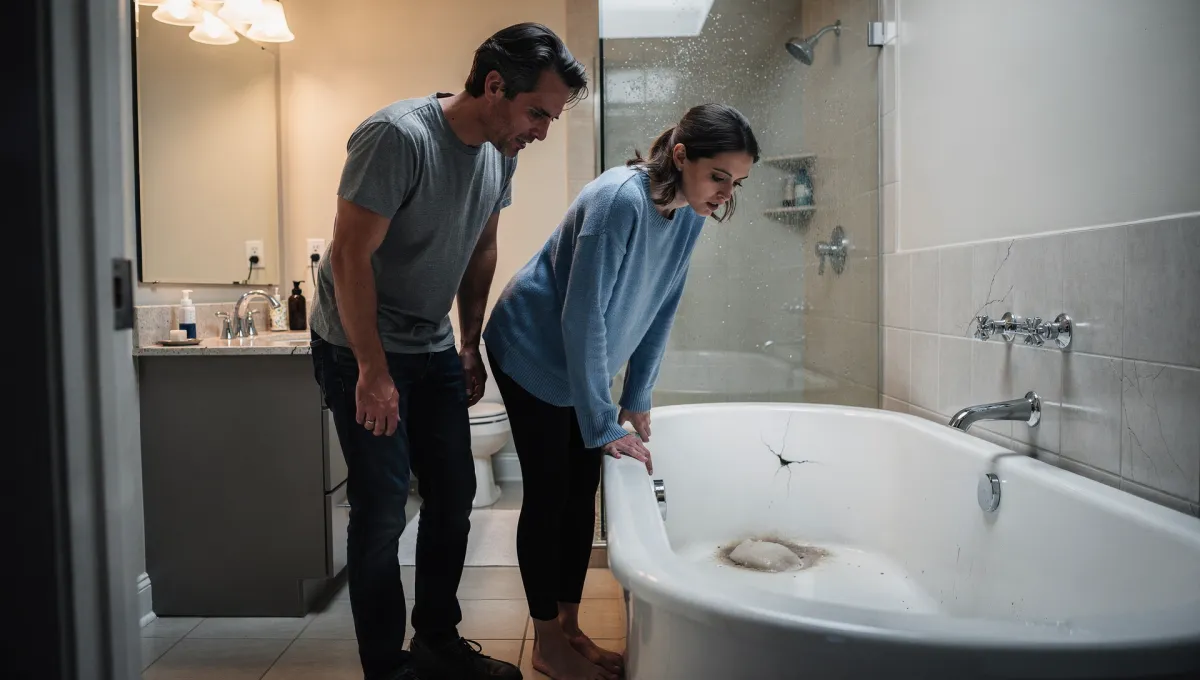
Don’t Ignore That Soft Spot in Your Tub Floor
That little bit of flex under your feet when you step into the tub?
It might not seem like a big deal.
The water still drains. The tub still works. Life goes on.
But small tub problems have a way of becoming expensive ones.
Why a Flexing Tub Gets Worse Over Time
Bathtubs flex when the support underneath them starts to break down. Over time, the backing material beneath the tub deteriorates, leaving the floor unsupported.
Every time someone steps in, the surface bends slightly under the weight.
That repeated movement stresses the same area again and again. The material weakens gradually. And here’s what most homeowners don’t realize:
The damage isn’t just accumulating - it’s accelerating.
Each flex makes the next one worse. What feels minor today is quietly compromising the structural integrity of your tub with every single use.
A soft tub floor isn’t cosmetic. It’s structural. And it progresses.
What You’re Actually Risking
Left alone, a flexing tub floor often develops cracks.
Once the surface cracks, water gets in and water doesn’t stay where you can see it. It seeps into layers beneath your tub, settling against wood and subfloor materials that were never meant to stay wet.
By the time visible damage appears, the hidden damage has usually been growing for a while.
At that point, the repair isn’t just about the tub anymore. It can involve:
Subfloor replacement
Structural repairs
Even ceiling damage in the room below
There’s also a safety factor. A weakened tub floor creates instability. Add water, and you have a slip-and-fall risk - especially concerning in homes with children or older adults.
The Inlay Fix: Fast, Effective, and Budget-Friendly
Here’s the good news:
A soft tub floor does not mean you need a full replacement.
An inlay repair reinforces the tub from underneath, restoring the support that’s been lost. The material bonds directly to the underside of the tub, filling the void that’s causing the flex and giving the surface solid support again.
When combined with professional reglazing, your tub is refinished and strengthened - without demolition, plumbing work, or a full bathroom remodel.
The result:
A tub that feels solid again
A fresh, clean finish
Long-term durability
No weeks of disruption
And compared to the cost of replacement or worse, water damage - it’s a straightforward, affordable solution.
At Fitzgerald’s Creative Coatings, this is exactly the kind of repair we handle every day. The process is efficient. The finish is clean. And the cost is a fraction of full replacement.
Ready to Stop Stepping Around the Problem?
If your tub floor has some give, you’re probably wondering:
How bad is it really?
Can it be reglazed?
Is this something I need to fix now?
Start with our free guide: Top 10 Signs Your Bathtub Needs Reglazing
It walks you through exactly what to look for, so you can move from guessing to knowing.
And if something on that list sounds familiar, we’re here to help.
Reach out today and find out what your tub actually needs and what it will take to get it solid, safe, and looking like new again.

Let's Connect!
Here are a few ways you can get in touch...
(513) 724-3456
fitzycincinnatioh.com
3663 Highland Green, Cincinnati OH 45245


Fitzgerald's Creative Coatings | Privacy Policy
Read Our Latest Blogs
Lorem ipsum dolor sit amet, consectetur adipiscing elit.
Don’t Ignore That Soft Spot in Your Tub Floor
That little bit of flex under your feet when you step into the tub?
It might not seem like a big deal.
The water still drains. The tub still works. Life goes on.
But small tub problems have a way of becoming expensive ones.
Why a Flexing Tub Gets Worse Over Time
Bathtubs flex when the support underneath them starts to break down. Over time, the backing material beneath the tub deteriorates, leaving the floor unsupported.
Every time someone steps in, the surface bends slightly under the weight.
That repeated movement stresses the same area again and again. The material weakens gradually. And here’s what most homeowners don’t realize:
The damage isn’t just accumulating - it’s accelerating.
Each flex makes the next one worse. What feels minor today is quietly compromising the structural integrity of your tub with every single use.
A soft tub floor isn’t cosmetic. It’s structural. And it progresses.
What You’re Actually Risking
Left alone, a flexing tub floor often develops cracks.
Once the surface cracks, water gets in and water doesn’t stay where you can see it. It seeps into layers beneath your tub, settling against wood and subfloor materials that were never meant to stay wet.
By the time visible damage appears, the hidden damage has usually been growing for a while.
At that point, the repair isn’t just about the tub anymore. It can involve:
Subfloor replacement
Structural repairs
Even ceiling damage in the room below
There’s also a safety factor. A weakened tub floor creates instability. Add water, and you have a slip-and-fall risk - especially concerning in homes with children or older adults.
The Inlay Fix: Fast, Effective, and Budget-Friendly
Here’s the good news:
A soft tub floor does not mean you need a full replacement.
An inlay repair reinforces the tub from underneath, restoring the support that’s been lost. The material bonds directly to the underside of the tub, filling the void that’s causing the flex and giving the surface solid support again.
When combined with professional reglazing, your tub is refinished and strengthened - without demolition, plumbing work, or a full bathroom remodel.
The result:
A tub that feels solid again
A fresh, clean finish
Long-term durability
No weeks of disruption
And compared to the cost of replacement or worse, water damage - it’s a straightforward, affordable solution.
At Fitzgerald’s Creative Coatings, this is exactly the kind of repair we handle every day. The process is efficient. The finish is clean. And the cost is a fraction of full replacement.
Ready to Stop Stepping Around the Problem?
If your tub floor has some give, you’re probably wondering:
How bad is it really?
Can it be reglazed?
Is this something I need to fix now?
Start with our free guide: Top 10 Signs Your Bathtub Needs Reglazing
It walks you through exactly what to look for, so you can move from guessing to knowing.
And if something on that list sounds familiar, we’re here to help.
Reach out today and find out what your tub actually needs and what it will take to get it solid, safe, and looking like new again.